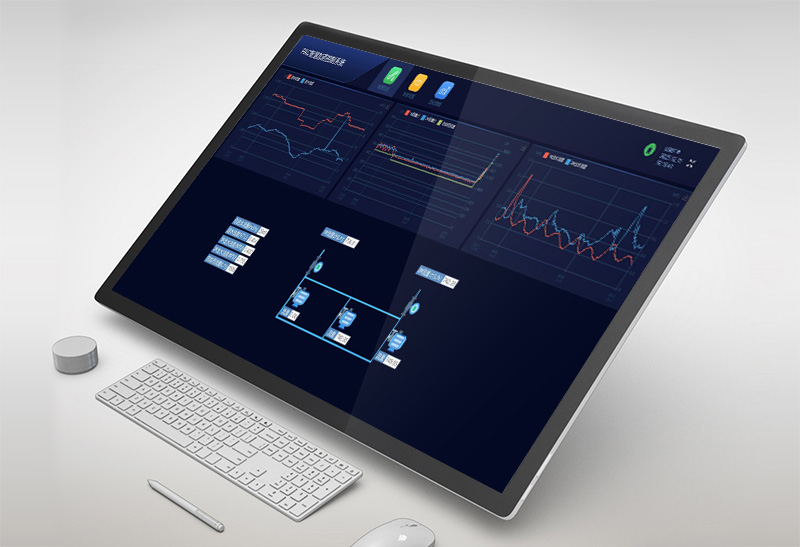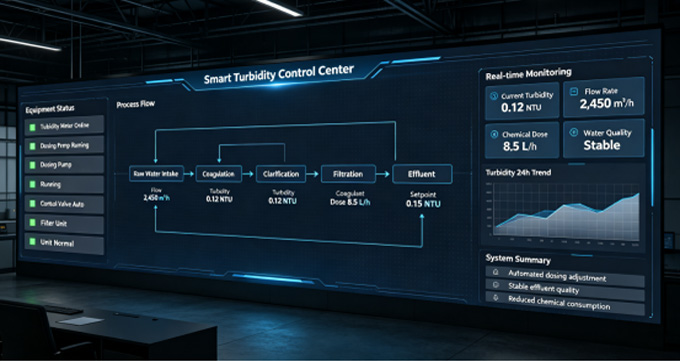
Address the control challenge of sudden raw water quality changes and the large lag in alum dosing processes.
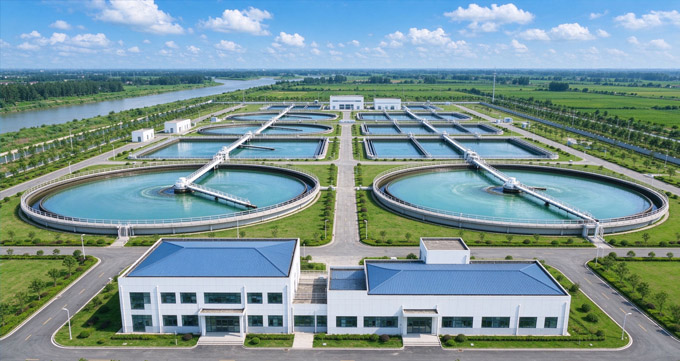
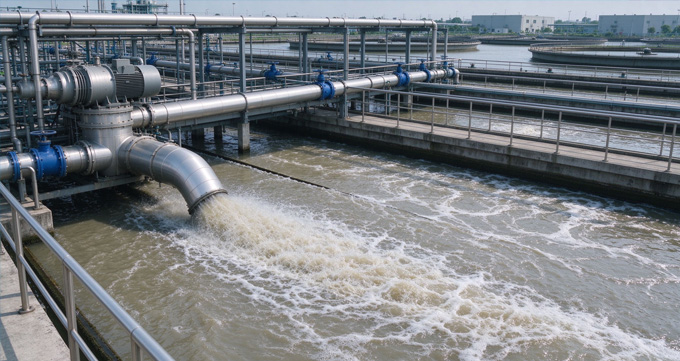
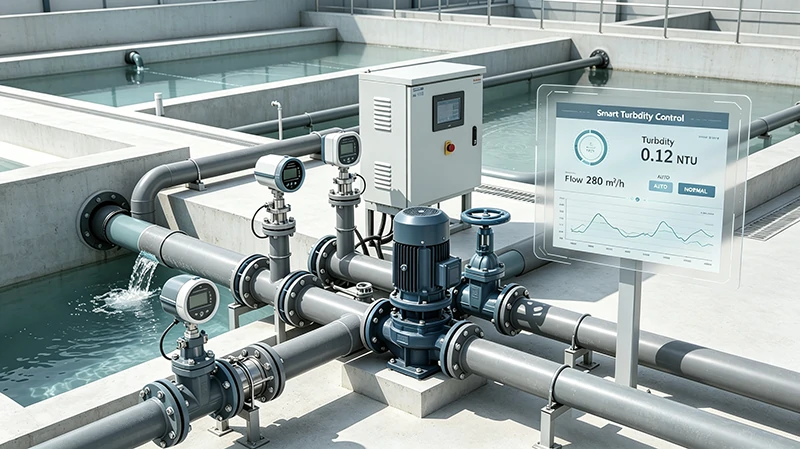
Shifang Water Plant is responsible for drinking water supply to Shifang urban area and surrounding regions, with a daily water supply capacity of 80,000 tons. The plant draws water from the Renmin Canal main channel and the Glacier Lake, and uses a "pre-treatment + conventional treatment" process. Alum dosing (coagulant dosing) is a key step in water purification — its effectiveness directly determines subsequent sedimentation and filtration efficiency, and further affects finished water turbidity safety. However, traditional alum dosing control mostly relies on manual experience or flow-proportional dosing, which has inherent flaws: from chemical dosing and coagulation reaction to sedimentation and filtration, the entire process has a lag of several hours. When raw water encounters sudden quality changes due to rainstorms, upstream discharge, or seasonal algae blooms, manual adjustment cannot respond in time, creating a risk of effluent turbidity exceedance. For a water plant with a capacity of 80,000 tons/day, every raw water fluctuation could escalate into a water supply safety incident.